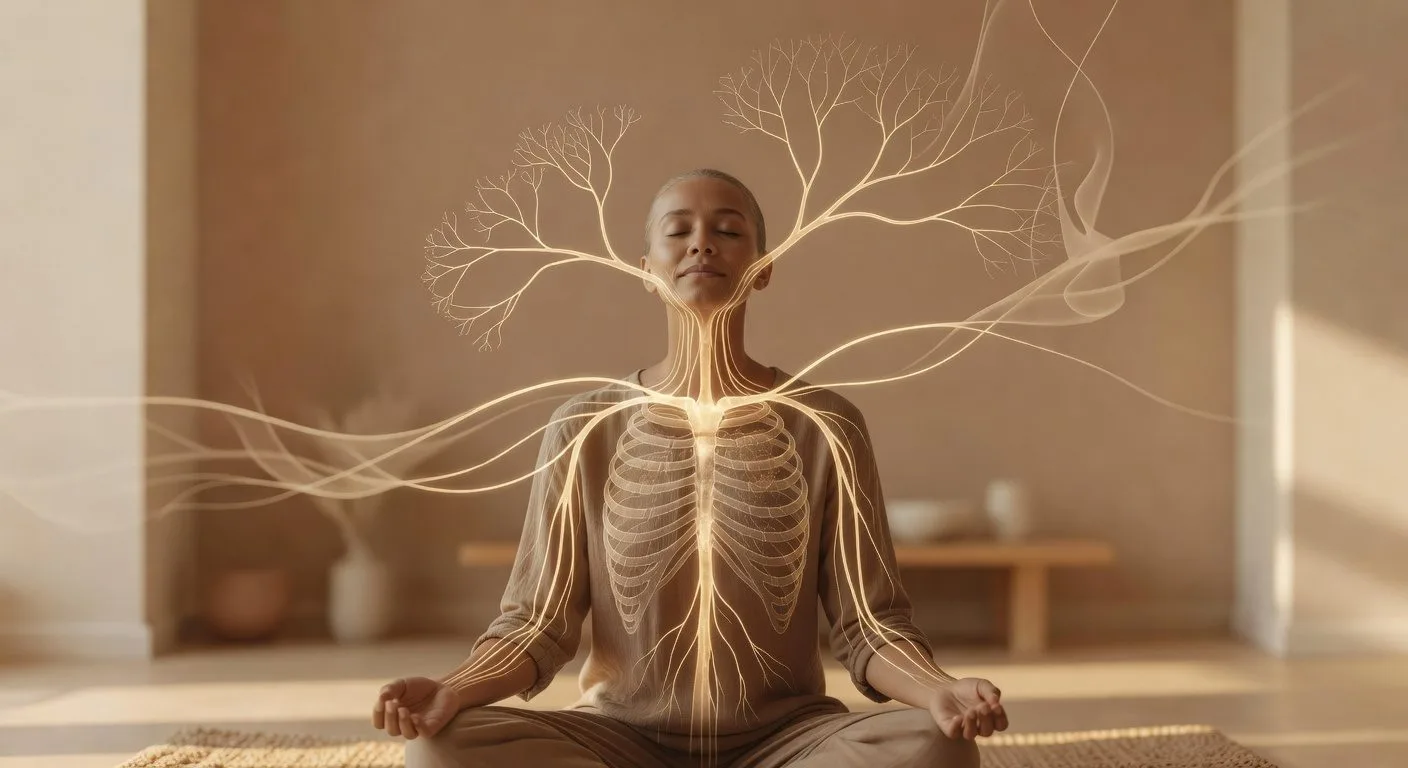
Our brain is one of the most fascinating wonders of the human body. It's not just a static organ, but a dynamic network that continuously adapts to experiences, emotions and challenges. In this blog we dive into how our brain works, with a focus on the powerful message that "past results are no guarantee for the future."
We explore the differences between male and female brains, including a fun detour to the hilarious video by Mark Gungor. Along the way we take scientific insights with us, but also alternative perspectives to give a broad picture. All in an understandable way, so everyone can follow.
Let's begin!
How Our Brain Works: A Dynamic Masterpiece
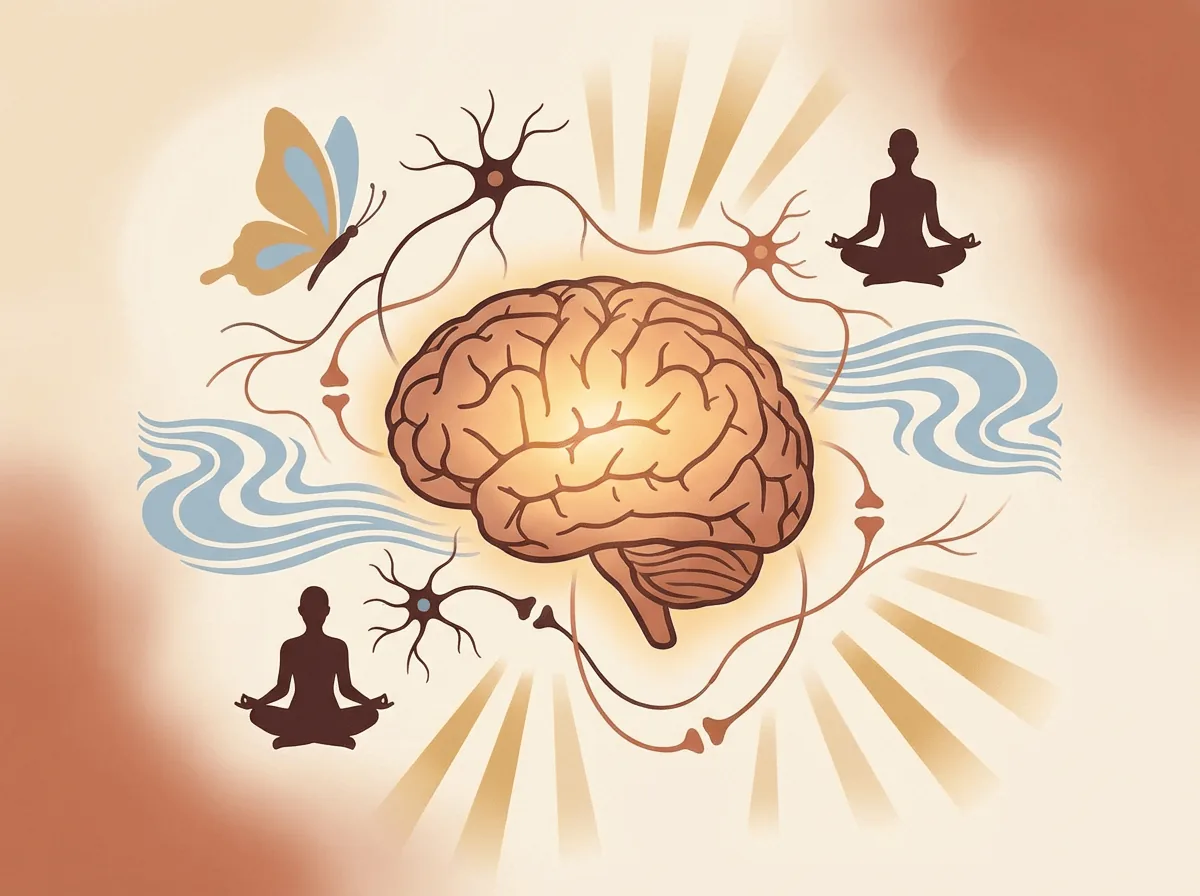
Imagine: your brain contains about 86 billion neurons, connected by trillions of synapses. It's like a gigantic web that processes information, stores memories and makes decisions. But the most beautiful part is neuroplasticity – the brain's ability to restructure itself.
Scientists used to think the brain was fixed after childhood. But neuroscientist Norman Doidge showed in his groundbreaking work The Brain That Changes Itself that the brain keeps adapting, even at old age. Through new experiences – like learning to play guitar or meditating – new connections form. This means you can change habits and improve skills, regardless of your age.
"You are not trapped in your old patterns. The brain rebuilds itself – every single day."
- What is neuroplasticity?
- Neuroplasticity is the brain’s ability to restructure itself: form new synapses, reroute pathways and reprogram habits through repeated experience. It means past results are no guarantee for the future — you can break neural patterns at any age.
Neuroplasticity is like an airline network: routes can be rerouted or expanded when there are blockages. If you experience stress, for example, your brain can adapt through mindfulness exercises. Research shows that regular meditation changes the structure of the brain – particularly more gray matter in areas for emotion regulation and decision-making.
This is inspiring: think of stories of people relearning to walk after a stroke through intensive therapy. The brain rebuilds itself!
Past Results: No Guarantee for the Future
The phrase "past results are no guarantee for the future" comes from the financial world, but fits perfectly with the brain. Through neuroplasticity you can break with old habits.
Cognitive training can literally 'rejuvenate' the brain of older adults, with improvements in memory and attention. Imagine: someone with a history of anxiety can create new neural pathways through therapy, changing future reactions.
- What are neural patterns and habits?
- Neural patterns are repeated connections in your brain that drive automatic reactions and habits. The more you use a pathway, the stronger it becomes — but with deliberate repetition you can build new pathways and break old brain patterns.
What this means for you:
- ✦ Your past doesn't define you – your actions now do
- ✦ Old patterns are breakable – with the right guidance
- ✦ Every day is a new beginning – literally, at a neurological level
Dr. Lara Boyd, in her famous TEDx talk, explains how neuroplasticity enables you to shape your brain the way you want. If you were bad at something in the past, that doesn't mean you always will be. Through repeated practice you can train your brain.
"The wound is the place where the light enters you."
— Rumi
Practical Tips to Use Neuroplasticity
Want to actively reshape your brain? Here are proven strategies:
1. Try new hobbies
Learning a language, playing an instrument, or a new sport – variety in experiences builds resilient networks.
2. Move regularly
Physical movement stimulates the production of BDNF (brain-derived neurotrophic factor), essential for neuroplasticity. Even a daily walk helps your brain reshape.
3. Meditate and breathe consciously
This is what we truly believe in at Spiriators. Regular meditation literally changes the structure of the brain – more gray matter in areas for emotion regulation. This connects perfectly with the Presence Process, which we apply daily.
- How does breathwork support neuroplasticity?
- Breathwork and conscious meditation train attention and emotion regulation, which can measurably reshape gray matter and brain networks. By repeatedly moving from rumination into body and breath, you strengthen new neural pathways for calm and presence.
4. Be patient and consistent
Changes take time. The brain needs repetition to strengthen new pathways.
Inspiring Example: Recovery from Depression
People with depression can recover through neuroplasticity. Therapy such as cognitive behavioral therapy (CBT) rewrites negative thought patterns, leading to structural changes in the brain.
This connects with what we see at Spiriators: when clients learn to look at their thoughts differently – not as truth, but as patterns – space for change emerges. The brain follows where the attention goes.
Differences Between Male and Female Brains: Facts and Nuances
Now to a fascinating topic: differences between male and female brains. Scientifically speaking, there are subtle differences, but the overlap is enormous.
The facts:
- Men have on average larger brains (8-13% larger)
- This leads to differences in volume of areas like the amygdala (emotion processing) and hippocampus (memory)
- Hormones – testosterone in men and estrogen in women – influence the structure
The nuance:
But when you correct for size, many differences disappear. A mega-study from 2021 concludes that sex explains only 1% of the variation in brain structure.
Important insight: Brains are a 'mosaic' – individuals have unique combinations, not strictly 'male' or 'female'. Neuroplasticity plays a crucial role here: environment and upbringing shape differences more than biology alone.
A Fun Detour: Mark Gungor's "A Tale of Two Brains"
For a humorous twist: watch the video "A Tale of Two Brains" by Mark Gungor.
In this stand-up comedy, Gungor compares male brains to 'boxes' – everything separated, with a favorite 'nothing box' where men can linger for hours (think fishing or watching TV).
Female brains are according to him a 'ball of yarn' – everything connected, driven by emotion, leading to better remembering but also overthinking.
It's hilarious and recognizable: men want to avoid stress by doing 'nothing', women by talking. Gungor bases this on anecdotes, but it connects with what we know about how men and women process emotions.
"Differences are funny, but no excuse for stereotypes. Use it to create understanding in relationships!"
Alternative Perspectives: Beyond the Mainstream
Besides the scientific consensus, there are also alternative views on the brain that are worth exploring:
The heart-brain
Some researchers point to the 40,000 neurons in the heart – a "little brain" that communicates with the main brain. This connects with what we intuitively know: the heart "feels" things before the brain processes them. This is exactly what we strive for at Spiriators – from head to heart.
Collective consciousness
The theory that our brains don't work in isolation, but are connected to a larger field of consciousness. Think of moments of synchronicity or intuition that can't be logically explained.
Epigenetics and trauma
More and more research shows that trauma doesn't just sit in the brain, but in the whole body – and can even be passed down to future generations. This explains why body-oriented therapy is often more effective than just talking. Breath, movement and feeling are no less important than thinking.
From Head to Heart: The Journey to Wholeness
At Spiriators we believe the biggest challenge for many people is: making the journey from head to heart. We live in a society that glorifies thinking, but true wholeness arises when head and heart work together.
What this means in practice:
- ✦ Feeling instead of analyzing – emotions are messengers, not problems
- ✦ Being present in the body – breathwork helps to get out of the head
- ✦ Trusting intuition – your inner wisdom often knows more than you think
Breaking Stuck Patterns
The underlying cause of many problems is hard to find when you're stuck in your old patterns. You look at your life through the same lens you've always looked through – and that lens is clouded by pain, by conditioning, by survival mechanisms.
That's why we like to help you look at yourself and the world in a renewed way. Not by fighting your patterns, but by discovering what lies beneath them. By making the unconscious conscious.
This requires courage. It requires the willingness to feel what you've been trying to avoid for years. But it's the only path to true freedom.
Your Brain, Your Future
The most beautiful thing about neuroplasticity? It gives you back control. You're not the victim of your past, your genes, or your upbringing. You have the ability to reshape your brain – and thereby your life.
Every thought you think, every emotion you feel, every choice you make, shapes your brain. The question is: do you shape it consciously, or do you let old patterns run the show?
With compassion,
— Johannes
Related articles:
📖 Read More
Go deeper: Read our pillar pages on yoga, breathwork and retreats — the foundation for inner transformation.